Spay and Neuter at prairievilleanimalhospital.com: Essential for Population Health
When I think about the arc of a community’s care for companion animals, the conversations often circle back to one simple, powerful idea: spay and neuter. In practice, it is more than a single procedure. It is a cornerstone of population health, a lever for animal welfare, and a meaningful commitment from a veterinary clinic Prairieville Animal Hospital to the people and pets who rely on us. Over the years, my team and I have watched the ripple effects of timely, thoughtful spay and neuter programs extend far beyond the exam rooms. They shape shelter intake trends, influence outdoor cat colonies, and change the daily realities of families who want the best for their pets without facing harsh or preventable outcomes.
The notion of population health in the veterinary world often travels alongside human medicine, yet the core concern is similar: improve the health of a whole group by managing risks, preventing disease, and guiding practices that reduce unnecessary suffering. When Prairieville Animal Hospital offers spay and neuter services, we are inviting a community to participate in that larger project. This article outlines why spay and neuter matters, what happens before and after surgery, and how a veterinary clinic prairievilleanimalhospital.com can support families through the process with clarity, compassion, and practical know how.
A practical start: the why behind spay and neuter
In truth, the reasons to pursue spay and neuter are layered. They range from the intimate and immediate to the broad and systemic. On a personal level, many pet owners are seeking a straightforward path to a calmer, more predictable household. Spayed or neutered pets often exhibit changes that make daily life easier: less yowling at night, fewer attempts to wander in search of a mate, and a reduced risk of certain unwanted behaviors that stem from hormonal surges. In a veterinary clinic prairievilleanimalhospital.com, we see those shifts day after day. It isn’t about suppressing an animal’s personality but about reducing forces that can drive stress, injury, or disease.
From a population health perspective, the impact unfolds in the longer run. When a community routinely spays and neuters, intake at shelters declines, which frees up resources for medical treatment, behavior modification, and adoption outreach. Fewer stray animals on the streets means fewer encounters with cars, fewer fights that lead to injuries, and less exposure to environment related hazards. It also translates into a more predictable demand for veterinary services. Clinics can plan better for the kinds of preventive care that keep animals healthy when the animal population is stable, rather than constantly churning through crises born from unchecked breeding.
The practical reality at Prairieville Animal Hospital is anchored in patient safety. Spay and neuter surgeries performed by trained veterinarians and skilled technicians follow standardized protocols designed to minimize risk. For many pets, the benefits arrive quickly. A neutered male dog may settle into a calmer routine after the first few weeks post procedure. A spayed female cat often avoids heat cycles that can be stressful for both animal and owner. Yet the outcomes depend on timing, health status, and how well the pet recovers. A thoughtful approach this means preoperative assessment, clear communication about what to expect, and careful postoperative care at home. It is a partnership, not a one time transaction.
What to expect when planning spay and neuter at Prairieville Animal Hospital
For families visiting prairievilleanimalhospital.com with questions about spay and neuter, the path is straightforward but precise. We begin with conversation, not assumptions. A core step is an initial health check to confirm that a pet is an appropriate candidate for surgery. This candid step helps identify lingering conditions or medications that may require adjustment before anesthesia. The aim is to protect a patient’s safety above all else. In practice, this can mean confirming that a puppy or kitten is at an appropriate weight and that there are no underlying illnesses that would complicate anesthesia. It is not unusual for a veterinarian to request a brief preoperative lab in younger animals or those with unusual medical histories. These decisions are not bureaucratic hurdles; they are safeguards.
On the day of the procedure, families will typically drop off pets with time built in for check in, anesthesia induction, and post operative monitoring. Anesthesia in modern veterinary medicine bears little resemblance to the scenes of old. The agents we use are selected with the goal of smooth induction, stable recovery, and minimal nausea. Our team monitors vital signs throughout, and the caring attention of the staff often makes the difference between a pet who tumbles into sleep and one who sounds unsettled upon waking. The length of the procedure itself varies by species, age, and overall health, but most routine spays and neuters are completed within a few hours, with a short period of observation before discharge.
Once home, the real work begins. Postoperative care requires a steady routine, a safe environment, and close attention to the pet’s comfort level. It is tempting to assume healing is instantaneous, but the body needs time to knit tissue and settle into the post surgical state. Here is where the day to day realities come into focus. Severely active dogs must be kept quiet for a week or so, and that means limiting running, jumping, and rigorous play. Kittens and younger cats often recover quickly, but their curiosity can tempt them into risk, so the home should be configured to minimize pulling on sutures or accidental damage to the incision site. Owners report that the simplest devices, such as the e collar, can make a difference in preventing lick related irritation. In practice, a little planning goes a long way, and Prairieville Animal Hospital provides clear discharge instructions, with contact information should concerns arise at any hour.
Two major pillars support the spay and neuter program at Prairieville Animal Hospital: safety and education. Safety means everything from sterile surgical technique to precise pain management. We emphasize analgesia, both during and after surgery, because keeping pain under control improves recovery, reduces stress, and even encourages a pet to eat sooner. This is not a luxury; it is a healing imperative that many clients recognize only after witnessing how a pet responds when pain is ignored. Education follows. We offer thorough, plain language guidance about what the pet can and cannot do in the days following surgery, how to monitor the incision, and what signs warrant a call to the clinic. The aim is to empower families so they feel confident, not anxious, as they navigate the weeks after the procedure.
A closer look at the numbers and the science
When people ask about the impact of spay and neuter, it is natural to wonder about success rates, complication rates, and the overall burden on clinics. The truth is, reliable statistics are nuanced. Nationally, veterinary hospitals observe low complication rates for routine spay and neuter surgeries, especially when patients are healthy and the procedures are performed by trained teams using modern anesthesia protocols. Complications exist in every medical field, but they are typically rare and manageable. The bigger story is in the long term: reduced risk of certain cancers in dogs and cats, decreased incidence of unwanted litters, and a lower prevalence of behaviors that can lead to dangerous situations during outdoor exploration or social conflicts with other animals. Those outcomes accumulate over months and years, not days.
What stands out in practice is the relationship between early surgical intervention and later quality of life. In households where spay and neuter is done early, owners report fewer nighttime disturbances, a sense of predictability around the pet’s behavior, and lower ongoing medical costs tied to reproductive health concerns. It is not a guarantee against all health problems, but it does shift the baseline toward steadier, more manageable care. In our clinics, we track trends by patient age and breed to refine recommendations for surgery timing. The upshot is simple: a respectful, informed discussion about when to proceed is more valuable than any one definitive rule.
A practical guide for families considering spay and neuter
Choosing the right time for spay or neuter depends on several factors beyond breed or national guidelines. One of the most important is the animal’s overall health. A pet that is not thriving due to persistent parasites, dental disease, or obesity may benefit from delaying elective procedures until these issues are addressed. On the other hand, delaying can carry its own risks, especially in animals with a known tendency to roam or with a high risk of unwanted litters. The best approach is a joint conversation with the veterinarian, incorporating a real world assessment of risks and benefits given the animal’s age, temperament, and living environment. For families whose pets have active social lives at dog parks or in multi animal households, the timing question can become more nuanced. The local climate and season can also influence scheduling. In many cases, clinics schedule routine procedures during periods when shelter demand is lower and the clinic can dedicate resources to both surgical and postoperative care without overloading staff.
Education around postoperative care is another critical piece that cannot be overlooked. In my experience, the most successful recoveries come from owners who approach care as a daily routine rather than a single act of care. Small routines, like checking the incision each morning, offering balanced meals at consistent times, and rewarding calm behavior, all contribute to a smoother recovery. The emotional landscape matters too. Pets sense their owner’s cues, and a calm, confident approach helps minimize stress for a recovering animal. The clinic can be a steady anchor in this process, providing check in calls after discharge, accessible guidance, and a willingness to address questions as they arise. That partnership is what turns a routine procedure into a shared investment in a pet’s long term wellbeing.
Two practical lists to help families plan ahead
Here are two focused lists that can help families prepare for a spay or neuter without overloading the decision with fear or speculation.
List 1: Before the appointment, five essential steps
- Confirm the pet’s health status with a quick wellness check and any required preoperative tests.
- Schedule the procedure during a period of relatively low stress at home for easier recovery.
- Stock up on a few quiet activities and ensure a safe, comfortable resting space for the pet after surgery.
- Gather a familiar blanket or toy to help the pet feel secure when awake from anesthesia.
- Confirm transportation arrangements and the pickup window, so the day feels calm rather than rushed.
List 2: Aftercare essentials, five practical items
- Observe the incision site daily and keep the pet from licking or scratching the area.
- Maintain a light, easily digestible diet for the first 24 hours and offer fresh water regularly.
- Limit physical activity for about a week, gradually reintroducing gentle exercise as advised by the clinic.
- Keep a log of any changes in behavior, appetite, or energy level and contact the clinic if concerns arise.
- Schedule a quick post operative check in if a pet shows persistent vomiting, excessive swelling, or signs of fever.
The role of the veterinary team in prairievilleanimalhospital.com
What happens when a family calls Prairieville Animal Hospital for spay and neuter is more than a service inquiry. It becomes a tailored plan that respects the pet’s medical history, the family’s routines, and the community’s values. Our team aims to be precise, kind, and transparent. We explain what the procedure involves, what comfort measures a pet will experience, and what the recovery path looks like. The goal is to demystify the process so owners feel secure about their decision.
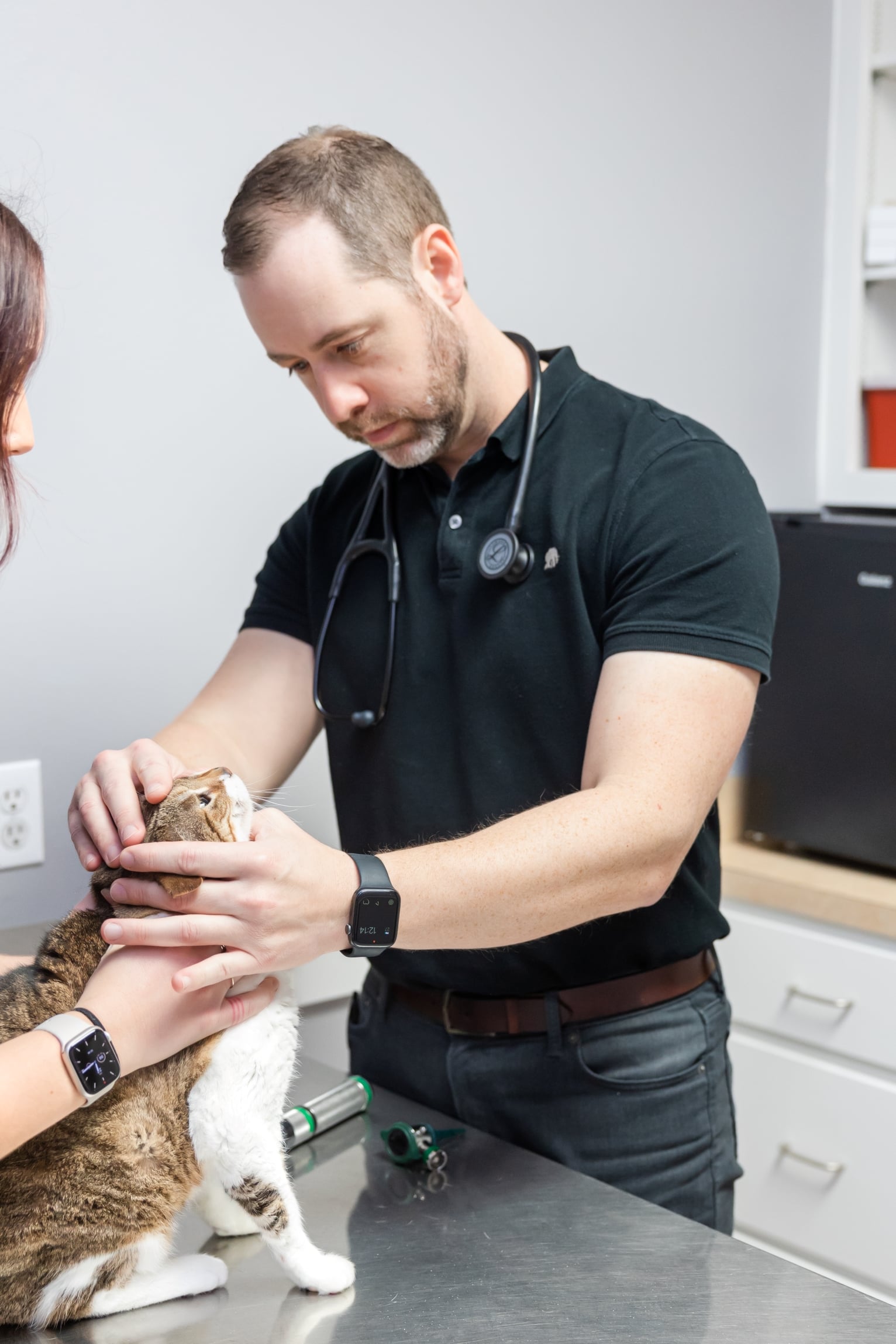
We also recognize that not every pet is the right candidate for a routine spay or neuter at every stage of life. Elderly pets, those with chronic illnesses, or animals with complex behavioral challenges require nuanced evaluation. In those cases, the conversation shifts toward a cautious, patient approach. We discuss the relative risks and potential benefits, and we may propose alternative strategies that prioritize welfare and long term health.
Beyond the surgical procedure, Prairieville Animal Hospital emphasizes preventive care as a continuum. A spay or neuter is not an isolated moment in care. It sits alongside vaccinations for pets, dental care, and ongoing wellness visits that help pet owners stay ahead of common problems. For instance, routine vaccinations for pets protect against infectious diseases, while dental care plays a critical role in overall health. The clinic’s pet wellness exams become a touchpoint for discussing nutrition, weight management, dental health, and aging plans. When we talk to families about vaccines, we frame the discussion around the animal’s risk environment, exposure to other animals, and the realities of local wildlife interactions. The aim is to craft a holistic plan that aligns with the pet’s life stage and the family’s capacity for care.
Real world anecdotes from the practice
No article about spay and neuter would be complete without a few candid, real world examples. A couple of clients come to mind. In one case, a terrier mix named Belle came to Prairieville Animal Hospital for a routine spay. Belle was young, energetic, and had a daily habit of roaming the neighborhood at dawn. The procedure went smoothly, and over the following weeks her owner noticed a marked reduction in elopement attempts. Belle settled into a more predictable daily rhythm, which translated into calmer mornings for the family and fewer near misses with cars on busy streets. The owners also reported that Belle’s appetite stabilized after the initial recovery period, and they appreciated how the clinic followed up to confirm her progress.
In another instance, an indoor Prairieville Animal feline household requested neutering for a male cat who had developed increasingly aggressive behaviors toward other pets. The surgery helped reduce those manifestations, and the family found that their other cat’s stress levels dropped as well. It wasn’t a dramatic transformation, but the measurable improvements in household harmony provided a clear, tangible value to the decision. In both cases, the clinic’s role extended beyond the surgical suite. We offered guidance on the initial weeks after surgery and remained available for questions. The outcome matters not just in the moment but in the months that follow.
Rethinking common concerns with grounded clarity
Skepticism around spay and neuter is common. People worry about anesthesia safety, potential weight gain, or the idea that the procedure somehow changes a dog or cat’s personality. The realities are more nuanced. Anesthesia safety is a central focus in any modern veterinary program. The days of risky inhalants are behind us in most clinics, and practitioners now rely on modern anesthesia protocols and careful patient monitoring. This combination minimizes risk and helps ensure a smooth recovery for most healthy animals. Weight management is a common concern, and it is typically addressable through diet, exercise, and regular wellness checks. If an animal tends to gain weight after a spay or neuter, it is not a failure of the procedure. It is an opportunity to adjust caloric intake and activity to maintain a healthy balance.
Personality change is among the most persistent myths. The truth is that hormones do influence behavior in some contexts, but the lasting effect of spay and neuter tends to be a reduction in behaviors driven by mating instincts, rather than an erasure of a pet’s character. In practice, many pets remain as lively, curious, and affectionate as before, but with fewer behaviors that create risk or conflict in daily life.
The ethical dimension: balancing individual welfare with community health
Spay and neuter interventions raise questions about consent, autonomy, and the best use of veterinary resources. From a practical standpoint, the aim is to minimize suffering and to maximize the chance that a pet will lead a healthy, secure life with an owner who can provide for basic needs. In a community context, these surgeries contribute to reducing animal homelessness and to stabilizing populations of stray and feral animals. A clinic like Prairieville Animal Hospital navigates this delicate balance by engaging families in informed decision making, offering options, and avoiding coercive language. It is about partnership, not pressure.
The road ahead: sustaining a culture of responsible pet ownership
Sustaining a culture that values spay and neuter requires more than good intentions. It calls for accessible services, clear guidance, and ongoing education for families from the moment a pet enters the home. A wellness plan that integrates surgical care with vaccination schedules, dental care routines, and year round preventive visits creates a coherent narrative for owners. When families know what to expect from a veterinary clinic Prairieville Animal Hospital, the fear that often accompanies medical procedures dissolves into trust. Trust is earned through consistent communication, transparent pricing, and a willingness to answer even the hard questions with honesty.
Final reflections in the field
Spay and neuter is not a single act but a thread in the broader fabric of population health. It is about reducing risk, extending life, and supporting families as they navigate the joys and responsibilities of pet ownership. It is about a veterinary clinic that approaches each patient as a unique case, with a plan tailored to its life story, not just a medical chart. In practice, the success of a spay and neuter program rests on the collaborative energy of the clinic team and the families who entrust their pets to us. When those forces align, the outcomes are measurable in the calm morning routines of a dog that no longer roams, in the safer streets of the neighborhood, and in the satisfaction that comes from caring for a pet with kindness and competence.
If you are considering spay or neuter, reach out to Prairieville Animal Hospital through prairievilleanimalhospital.com. Schedule a consultation, ask questions about anesthesia safety, recovery expectations, and post operative support. Bring your pet’s medical history, and be prepared to discuss your home environment and daily rhythm. The more you share, the better the plan will fit your life. Our team will listen, explain, and help you weigh the options with a clear view of what is best for your animal now and what it means for their life in the years ahead.
A lasting takeaway
Spay and neuter at Prairieville Animal Hospital is more than a medical procedure. It is a preventive strategy, a public health measure, and a personal decision about what a family wants for its pet. It is a practical act of care that reduces risk, stabilizes behavior, and supports a healthier, happier animal population. The work we do is grounded in experience, guided by science, and shaped by the everyday realities of pet ownership in our community. If you have questions or want to learn more, a conversation with the team at prairievilleanimalhospital.com is the natural next step. We are here to help you make informed choices, to ease the process of care, and to support your pet’s health for many years to come.