Veterinarian Prairieville Animal Hospital: Signals Your Pet Needs Care
The bond with a pet is quiet until it isn’t. A wagging tail tapping the kitchen tile, a purr that fills a quiet room, the way a dog leans into your hand during a difficult day. In Prairieville, pet owners rely on local care that blends practical know-how with a partnership mindset. Prairieville Animal Hospital isn’t just a place to get a shot or a checkup; it’s a team that reads signals you might miss and translates them into timely, compassionate care. This article takes you through the signals your pet may be sending, what they could mean, and how a veterinary visit fits into daily life rather than becoming a last resort.
Reading the signs is rarely about a single moment. It’s a pattern you notice over days or weeks—the way a cat who used to sprint to the food bowl now strolls with a slow, careful gait; the way a terrier who slept through the afternoon starts pacing and whining in the evening. The goal here is not to alarm but to equip you with clarity. You want to know when a signal is a routine hiccup and when it is a reason to pick up the phone.
Behavioral changes are often the first alarm bells. A dog who won’t engage in fetch or a cat who no longer greets you at the door can point to issues far beyond mood. In my clinic, I’ve watched owners describe a subtle shift that turns into a revelation after a few questions. A senior dog who loses interest in favorite walks may be experiencing joint pain. A middle-aged cat that avoids stairs and the litter box may be dealing with dental discomfort or urinary tract irritation. The pattern matters as much as the symptom. A single night of restlessness is not necessarily alarming, but several nights in a row of pacing, vocalizing, or showing fear around loud noises deserves attention.
Illness hides behind appetite and energy levels. You may notice your pet eats less, or suddenly becomes insatiable, or shows an odd preference for unusual foods. Appetite is a guide, not a rule. Dogs may skip meals for many reasons—from mild gastritis to stress or dental pain. Cats can be picky or downright selective due to dental discomfort or a minor infection tucked behind a tooth. The real signal is when appetite changes persist and align with other indicators such as weight shifts, vomiting, or lethargy. An undercurrent of fatigue in a dog who used to barrel through the yard, or a cat who naps in sunbeams but not their usual sunny spots, can allude to systemic issues that warrant a check.
Pain does not always shout. It whispers through posture, movement, and routine resistance. A dog that previously bounded up the stairs now hesitates or uses the furniture to hoist itself can be signaling joint disease or a deeper issue. A cat that hides in corners and freezes when picked up may be guarding pain from dental problems, arthritis, or even internal trouble like kidney disease. Owners often tell me that their pet’s response to touch changes subtly. It’s in those quiet shifts, the way a tail stops swishing when you approach, the reluctance to jump onto a favorite chair, or the stiffness you notice after a nap. Pain is not a personal failure on the part of the pet, nor is it something to shrug off. It is a digestive signal that a veterinary professional should evaluate.
Respiratory signals carry weight. Coughing in dogs can mean anything from an innocent kennel cough to an early warning sign of cardiac or lung disease. A cat’s wheeze can be a sign of asthma or an allergic reaction, sometimes masking a more serious issue. When the breathing becomes faster at rest, or you hear labored breathing after mild exertion, that is a moment to pause and call. Breathing is such a basic life signal that any sustained change matters.
Gastrointestinal signals are common and often misunderstood. Vomiting, diarrhea, or constipation can be short-lived, perhaps tied to a dietary indiscretion, or they can hint at something more serious such as infection, pancreatitis, or organ disease. The key is the pattern. A single episode while traveling or adjusting a diet may not trigger alarm, but recurring episodes over a few days, especially with lethargy, weakness, or dehydration, are reasons to seek care. Dehydration itself is a warning sign—parched gums, sunken eyes, or a dry mouth outside the heat of a summer day requires prompt attention.
Skin, coat, and allergy signals demand attention too. Itches and rashes in a dog or cat may be cosmetic in mild cases, but persistent scratching can lead to skin infections or indicate allergic disease. Pets may lick their paws obsessively or rub their face against furniture when allergies flare or when parasites such as fleas are present. Not all skin changes are dramatic, but slow, chronic itchiness paired with hair loss or open sores requires professional assessment to determine whether food intolerance, environmental triggers, or more serious conditions lurk beneath the surface.
Urinary changes can be subtle yet significant. Increased frequency, straining to urinate, blood in the urine, or accidents outside the litter box are not normal, especially in older pets. In cats, urinary issues can escalate quickly and become life threatening if not treated promptly. In dogs, unusual thirst combined with weight loss can indicate diabetes or kidney problems. If you notice a change in bathroom habits, treat it as a signal worth checking without delay.
Next to signals, there are moments when you must decide how quickly to act. The answer depends on context—your pet’s age, medical history, current medications, and the specific symptom you’re observing. A good rule of thumb is this: if the change is sudden, persistent, or followed by other symptoms such as weakness, collapse, vomiting blood, or severe coughing, seek veterinary care promptly. If the signal is mild and isolated but continues for more than a day or two, schedule a check to avoid letting a treatable condition fester.
What makes Prairieville Animal Hospital credible in these moments is the way the team approaches signals with a structured framework. First, there is listening. A client brings in a story that is more about how life feels right now than about a single symptom. The veterinarian listens for what changed, when it began, and how the pet is functioning on a day-to-day basis. Second, there’s observation. A physical exam follows, and sometimes basic diagnostics are performed to triangulate a diagnosis without overreacting. Third, there is context. The team weighs age, breed, prior health issues, and the pet’s normal behavior. Fourth, there’s action. The care plan can range from watchful waiting with clear home instructions to urgent imaging, labs, or a short hospitalization if needed. It is a careful balance between intervention and restraint, designed to protect the patient while preserving the family’s resources and routine.
A note on dogs versus cats and how signals can differ across species. Dogs communicate through energy and movement. A once-energetic dog that requires a longer warm-up before a walk might simply be aging, or it could be an onset of arthritis, heart disease, or subtle metabolic issues. Cats operate with a quieter language. They will hide, become less interactive, and may show pain in ways that are easy to misread as aloofness or temperament. A cat that stops using the litter box or stops eating even when other foods tempt them can be signaling anything from a dental problem to kidney disease. Veterinary teams in Prairieville recognize these patterns and interpret them in the broader context of each patient’s life story.
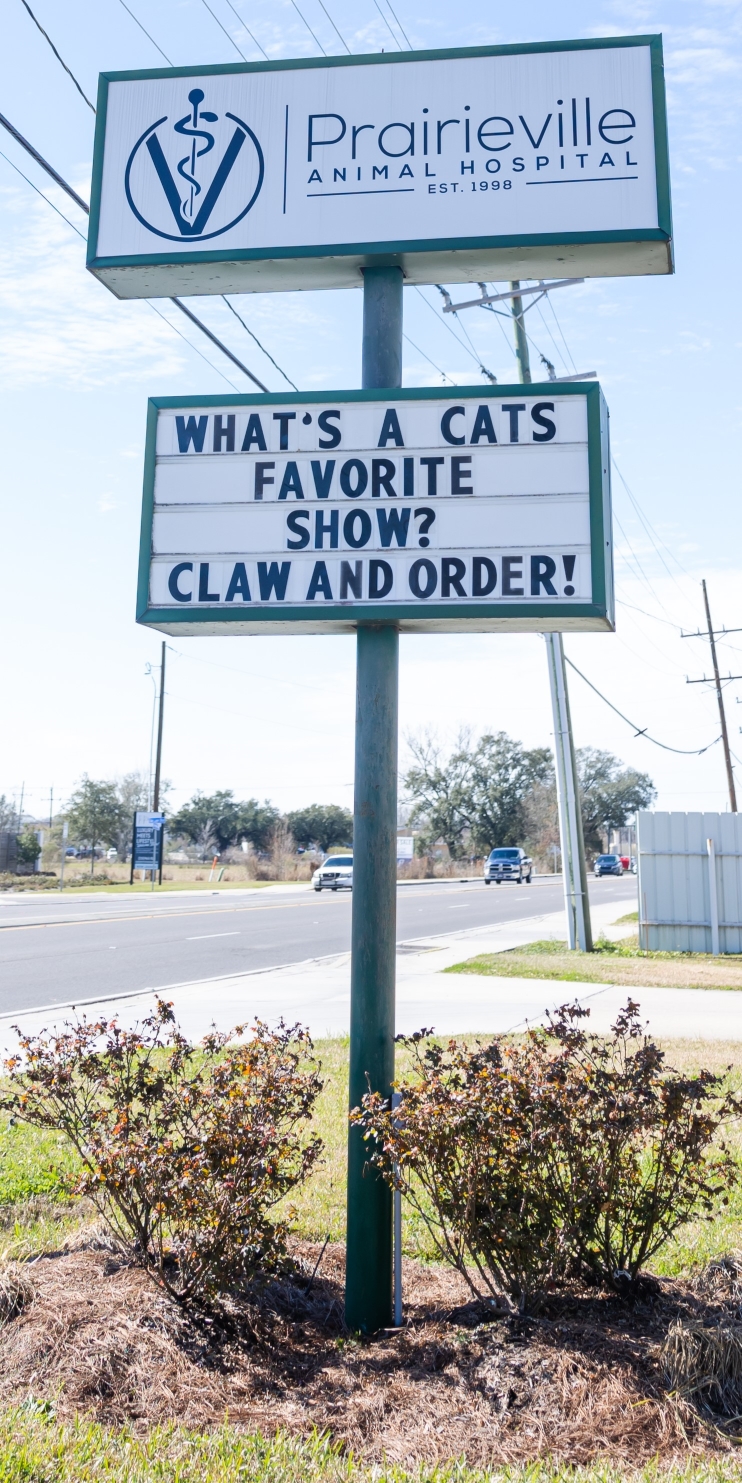
The practical side of signals often revolves around routine care and how it interfaces with busy lives. Most households juggle work, school, and the rhythms of family life. A well-timed checkup can become a stabilizing anchor rather than a disruption. The local veterinary practice understands the realities: the pet who needs a vaccination on a Tuesday before karate practice, the senior dog who benefits from a slow, steady enrichment plan, the cat who tolerates a monthly flea treatment but shuns the car ride that accompanies it. The clinic’s approach is to meet you where you are, to minimize stress for the pet, and to build a plan that reflects both medical necessity and your day-to-day schedule.


There are concrete actions you can take at home to monitor signals without turning every morning into a worry session. Start with a simple daily checklist that you customize for your pet. Note appetite and energy level in the morning, any changes in sleep patterns, and any deviations in urination or defecation. Keep an eye on weight, coat condition, and breath quality. If you notice a trend over several days—say, a dog who becomes increasingly lethargic and loses interest in meals—document it with dates and times and bring it to your veterinarian’s attention. A practical habit is to maintain a log that includes recent travels, dietary changes, and new exposures such as seasonal allergies that might be flaring up.
The clinical reality is that not every signal demands emergency care. Some require a scheduled appointment and an informed conversation. At Prairieville Animal Hospital, the triage mindset helps separate urgent calls from routine concerns. If you call with a signal that could be urgent, the staff may guide you through quick questions to assess risk and determine whether immediate evaluation is needed. This process reflects years of experience in recognizing signals that correlate with outcomes. It also respects the family’s time and the pet’s comfort, because many conditions are easier to manage when caught early.
One of the most valuable aspects of signals is the way they open a conversation between you and your veterinarian. It is not only about ruling in or ruling out diseases; it is about understanding what is happening in your pet’s life and how their health fits into your family’s rhythm. The language of veterinary medicine becomes practical and humane when it moves from technical jargon to everyday relevance. The goal is not to overwhelm but to empower. A well-timed visit can prevent a minor issue from becoming a major one, reducing suffering and the cost and complexity of treatment later on.
If you are visiting Prairieville Animal Hospital for the first time, you may notice a few familiar patterns in how signals are managed. First, there is a focus on clear communication. The staff will ask targeted questions about your pet’s behavior, appetite, and environment to construct a holistic picture. Second, there is a straightforward diagnostic path. Depending on symptoms, you might leave with a plan that includes laboratory tests, imaging, or a scheduled follow-up. Third, there is a partnership approach. The veterinarian will discuss treatment options, weighing benefits and risks, and will listen to your preferences and concerns. This collaborative tone helps families feel more confident in the care plan and in their role as co-managers of a pet’s health.
When signals point toward a more urgent issue, the veterinarian may recommend additional steps to stabilize the pet. In practice, this often means a quick trip to the exam room for a thorough palpation, evaluation of heart and lung sounds, and sometimes a blood panel or urine analysis to uncover hidden problems. Dogs with flagged respiratory signs or cats with persistent vomiting may be stabilized with targeted therapies such as antiemetics or fluids before more definitive treatment is pursued. The ability to act decisively in a calm, informed manner distinguishes seasoned clinics from quick, reactionary care. Practically speaking, this translates to a better experience for the pet and a clearer path for the owner.
The clinic’s philosophy around signals also extends to preventive care. Vaccinations, dental care, weight management, parasite control, and early screening tests all form a safety net. Nipping potential problems in the bud saves more than money; it saves time, pain, and the emotional energy of families who love their pets. In Prairieville, preventive care is not a periodic chore but a continuous strategy that adapts as the pet ages and as the family’s life changes. For instance, a senior dog may benefit from more frequent wellness visits, a tailored nutrition plan, and a schedule that prioritizes mobility and comfort. A middle-aged cat might need dental work sooner rather than later, a change that prevents broader health issues and keeps the cat eating well and feeling comfortable in its daily routine.
This approach is grounded in evidence and experience. The team at Prairieville Animal Hospital has seen how early adjustments in a pet’s routine can prevent admissions and extended treatments. They have learned to balance the science of medicine with the art of listening to both the animal and the owner. The result is care that feels personal and precise at the same time. And because every signal is layered with the family’s priorities and lifestyle, the medical plan often includes practical steps you can implement at home. Simple routines, like a short daily walk for an older dog or a gentle play session for a cat with arthritis, can complement medical therapies and enhance recovery or maintenance.
If you are contemplating the cost of care, know that Veterinary professionals in Prairieville are transparent about what signals require what level of intervention. An early signal might mean a quick in-and-out visit with basic blood work and a few recommendations for home care. A more complex signal could involve imaging, a referral to a specialist, or a short hospital stay for observation. In every case, the care plan is explained in plain language, with a timeline for follow-up and a clear sense of what success looks like. The aim is to give you options, not pressure, and to ensure you leave with a practical plan that fits your life.
For those who juggle multiple pets and busy schedules, the signal system offers predictability. You learn what to watch for, how quickly to act, and what to expect from a normal exam at Prairieville Animal Hospital. It becomes less a series of emergencies and more a steady partnership. The team recognizes the emotional weight of veterinary care—the worry that accompanies a sick animal, the relief when tests return normal, and the fatigue that comes with ongoing health management. They respond with a pace that respects that emotional arc, providing information when you need it and space to process when you don’t.
A few real-world examples illuminate how signals translate into care in a practical sense. A senior retriever begins to limp after a long walk, and the owner notes stiffness that improves with warm-up but returns after rest. The veterinarian performs a joint exam, orders a radiograph, and discusses options for pain management, weight control, and a gradual exercise plan. The goal is not only to treat the pain but to reestablish a confident, comfortable daily routine for the dog and to restore ease in the owner’s life. In another case, a cat with a recent plate of hair loss and scratching issues is evaluated for allergies, skin infections, or parasites. A skin scrape and blood work help rule out scabies or fungal infections. The plan might include a medicated shampoo, a hypoallergenic diet trial, and a parasite control program that aligns with the household schedule. Each scenario demonstrates that signals are not mere problems but entry points to targeted, sustainable care.
The personnel who answer the phone or greet you at the door are trained to translate signals into concrete steps. They know when to push for an appointment and when to guide you through simple home remedies that do not replace professional care but can reduce stress and keep your pet comfortable until a visit is possible. They understand the anxiety families carry and aim to shorten the distance between concern and action. The relationship is grounded in honesty, with no exaggerated promises or vague assurances. It is a mature, professional partnership built on shared trust and a mutual commitment to the pet’s well-being.
If your household includes a pet with special needs, the signals become even more important. A diabetic dog, for example, requires consistent monitoring of energy levels, appetite, learn more and hydration. A cat with kidney disease needs precise fluid management and a careful look at dietary protein and electrolyte balance. These are not abstract conditions; they are daily routines that demand attention and respect. Prairieville Animal Hospital acknowledges the complexity of these cases and brings the same calm, methodical approach to routine wellness as to chronic disease management. The result is a care plan that travels with you through the weeks and months, not something that exists only in a clinic file.
In closing, signals are a practical language for pet health. They are not a test you must pass alone or a mystery you must decipher in the middle of a sleepless night. They are a structured set of observations that, when shared with a veterinary team, translate into timely, compassionate care. Prairieville Animal Hospital approaches signals with a balance of clinical precision and everyday empathy. The aim is simple: to keep pets thriving and families informed, with plans that fit real life as a living, breathing routine.
Two guiding ideas can help you stay aligned with this approach. First, prioritize consistency over intensity. A small, steady pattern of care—regular checkups, consistent dental hygiene, and measured activity—often yields better long-term health than sporadic, aggressive interventions. Second, view the visit as a collaboration rather than an episode. The veterinarian’s expertise couples with your intimate knowledge of your pet’s behavior, creating a plan that respects both science and daily life. This is the core of signals turned into care, and Prairieville Animal Hospital brings it to life with every appointment, every discussion, and every follow-up plan.
Signals exist in the real world where you live with your pet. They emerge during a morning walk, in the quiet of a late-night apartment, or as a parent reassures a frightened rescue cat. They are not abstract, and they are not optional. They are part of responsible pet ownership, and they are a practical map you can rely on when the world feels murky and choices feel heavy. When you bring your pet to Prairieville Animal Hospital, you’re not just checking a box on a calendar. You are enlisting a partner who speaks your language, respects your constraints, and dedicates serious attention to the moments when your pet needs you most.