Veterinarian Prairieville Animal Hospital: What Happens During a Checkup
Stepping into Prairieville discover more Animal Hospital for a routine checkup carries a practical, low-stakes rhythm. The goal is simple on the surface: verify your pet is healthy, catch subtle changes before they become problems, and keep vaccines up to date. The real world, though, is never so tidy. Animals arrive with personalities that range from buoyant curiosity to wary caution. The medical team meets that complexity with a steady, evidence-led approach that respects both scientific standards and the unique story each pet brings through the door.
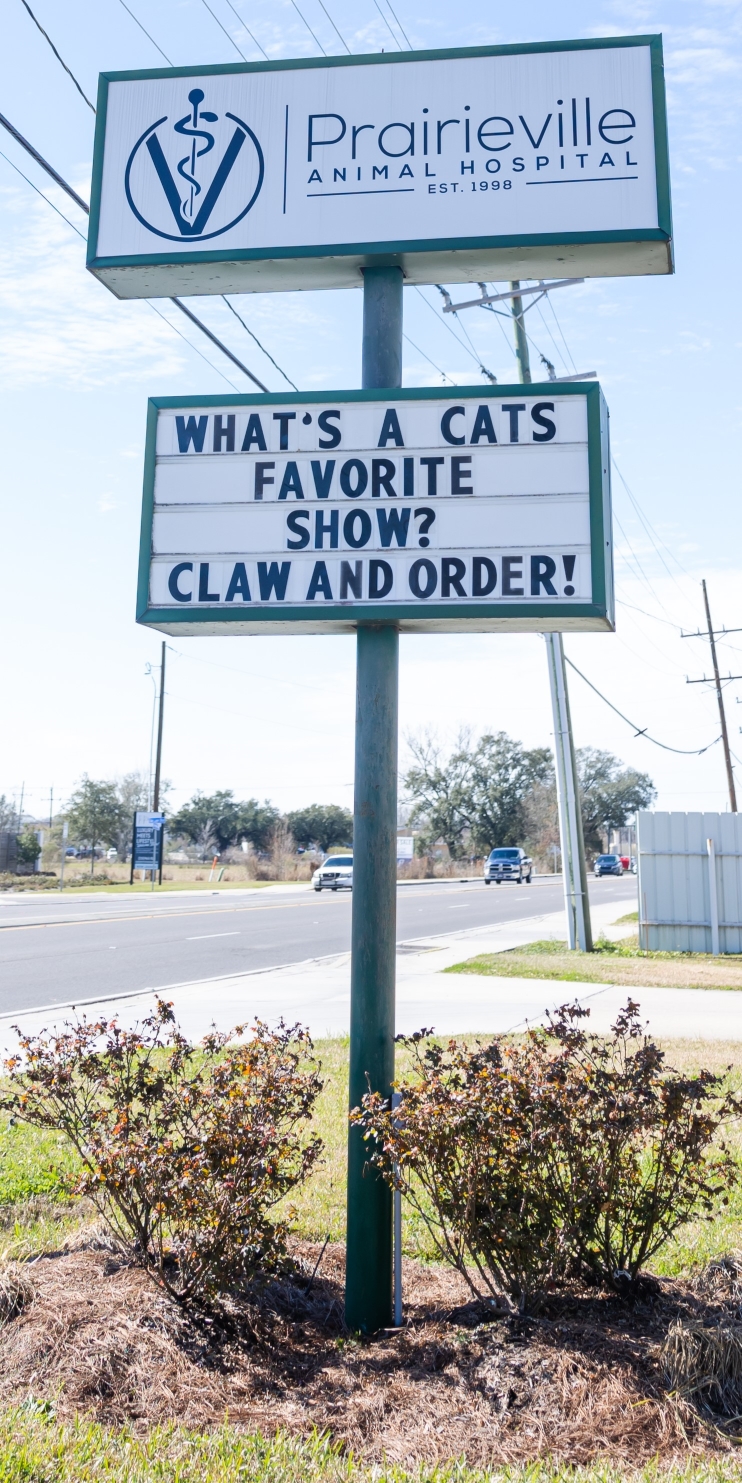
In my years working with veterinarians who practice here, I’ve learned that a well-run checkup feels seamless to the pet and the owner. It’s less about ticking boxes and more about building a shared understanding of your animal’s health. You’ll walk away with clear, actionable information, not a packet of confusing jargon. Below is a practical map of what happens during a typical checkup at Prairieville Animal Hospital, grounded in real-world routines you’ll recognize in a modern practice.
A calm start sets the tone
The moment you arrive, you notice the logistics first. Scheduling and intake windows are designed to minimize stress—for you and your pet. Roughly speaking, a wellness visit at Prairieville Animal Hospital allocates a length of time that can accommodate history taking, a thorough physical exam, and conversations about vaccines, nutrition, dental care, behavior, and any concerns you’ve brought. The first contact is often with a receptionist or a veterinary technician who helps you verify contact information, review any changes since the last visit, and confirm current medications. This part matters more than it might seem. A single update about a skin issue, or a new supplement your dog is taking, can influence the day’s exam plan and the interpretation of results.
The human side of health is part of the exam
A cornerstone of every checkup is the history. Expect questions that feel straightforward yet are packed with practical implications. The veterinary team might ask about appetite and water intake, changes in weight, energy levels, activity tolerance, and any signs that concern you at home—like coughing, vomiting, or stiff joints. They will want to know about food type and feeding schedule, including any recent treats or table foods. If your pet has chronic conditions, you’ll discuss how those are managed, what medications are being used, and whether there have been side effects or lapses in treatment.
This conversation translates into better care. A veteran technician knows to listen for patterns that a book-sounding question sheet could miss. For example, a dog that seems perfectly normal in the waiting room may show subtle signs of discomfort when you touch the abdomen. A cat that eats well in the home but loses weight at the clinic could be anxious, which affects how the exam unfolds. The goal is to tailor the visit to your animal’s typical behavior as much as to the clinical standard.
The physical exam unfolds with precision
Once the history is covered, the veterinarian moves into the physical examination. This is where the bones, organs, and body systems reveal their current status. It is not performative; it is diagnostic. The exam begins with general observations: posture, gait, coat condition, and overall symmetry. A quick but telling glance can indicate hydration status, body condition, and whether there is visible pain in certain joints or regions.
Next come the basics that anchor the health picture: heart and lung auscultation, chest palpation, and an abdominal exam. The heart rate and rhythm are checked, along with the respiratory rate, to catch rhythm abnormalities or signs of respiratory compromise. The abdomen is palpated for organ size and tenderness, a clue to problems such as an enlarged spleen, liver tenderness, or intestinal issues. The veterinarian also examines the teeth and gums as part of the diagnostic sweep. Dental health often mirrors systemic health; untreated dental disease can seed bacteria into the bloodstream and affect heart and kidney function over time.
The ears, eyes, and skin are assessed with equal care. The eyes are checked for clarity of the cornea, pupil response, and the presence of any discharge. Ears are inspected for debris, inflammation, or signs of infection, particularly in breeds prone to ear issues. The skin and coat are reviewed for parasites, dermatitis, or unusual patches that merit a closer look. Palpation across the body helps detect lumps, tenderness, or organ enlargement that might not be apparent from a surface-only scan.
During the exam, the veterinarian prioritizes efficiency and safety. If a concern arises that requires deeper investigation, the team may propose diagnostic tests or a short follow-up plan. But in most wellness visits, the aim is to confirm baseline health and establish a trajectory for the coming months.
Common procedures that accompany a wellness exam
A checkup often includes a few standard procedures that collectively provide a reliable snapshot of health. Vaccinations are a central component, but there is more to the program than shots alone. Here are the typical elements you should expect, with some nuance about why they matter.
- Vaccinations and boosters: Immunization schedules are chosen to protect against preventable diseases while minimizing adverse reactions. The veterinarian will review your pet’s age, lifestyle, and exposure risks to determine which vaccines are appropriate. In some cases, clinics may combine vaccines to reduce the number of injections, or stagger immunizations to avoid clustering multiple vaccines in a single visit.
- Preventive care tests: A wellness panel may include a heartworm test for dogs in areas where these parasites are a concern, a feline leukemia test for cats with potential exposure, and basic blood work to establish a baseline. The exact panel varies by species, age, and risk factors, but the intent is to catch metabolic changes before they manifest as outward symptoms.
- Urinalysis: A simple urine test can reveal clues about kidney function, urinary tract infections, or systemic conditions such as diabetes. Even healthy pets can benefit from a periodic urine check, especially if there are subtle changes in thirst or urination patterns.
- Dental assessment: If dental disease is present or potential, the exam team may recommend a dental cleaning or at least a thorough dental evaluation. Oral health is strongly linked to overall health, and early intervention can prevent more serious issues down the line.
The results discussion is not a one-off moment
After the exam and tests, the veterinarian sits with you to interpret the findings. This conversation is rarely a one-sided lecture. It’s a give-and-take about what the numbers mean, how your pet’s daily life could be influencing health, and which steps will yield the best long-term benefits. For instance, if a blood panel shows a mild elevation in liver enzymes, the discussion might cover repeat testing in a few months, possible dietary adjustments, or lifestyle changes such as weight management or exercise goals. If everything looks perfect, the tone shifts to maintenance and prevention: how to sustain good health through nutrition, dental care, and regular checkups.
Practical preparation and the owner’s role
A successful wellness visit relies on preparation that starts well before the appointment time. You can reduce stress for you and your pet by considering a few practical steps. Bring updated contact information, a list of medications, and any questions you want to cover. If your pet has a recent behavioral change or a new symptom, note it in a concise way so the team can address it directly during the visit. A few days beforehand, measure your pet’s weight at home if you have access to a scale. Having a recent weight record is helpful, especially for animals on long-term management plans such as hypothyroidism, obesity protocols, or heart conditions.
If your pet is anxious, talk to the team about it in advance. Prairieville Animal Hospital staff are skilled at handling nervous pets, but a heads-up allows them to plan for the visit with minimal stress. They might suggest using a favorite treat, a familiar carrier, or a quiet room for the intake to ease the transition from home to clinic.
Special considerations for seniors
Older pets present a different set of priorities during wellness visits. Aging brings a higher probability of chronic disease, and many of these conditions are sneaky, progressing slowly in the background. The wellness plan for seniors often expands beyond a single routine checkup. It might include a broader panel of blood tests to monitor kidney function, liver enzymes, thyroid activity, and electrolytes. A senior dog might require a more frequent monitoring schedule for mobility, pain management, and dental health. For cats, the approach can be nuanced by factors like hypertension and chronic kidney disease, which require targeted screening and early intervention to preserve quality of life.
The veterinary team also considers cumulative health risks that accumulate with age. Dental health, for instance, becomes increasingly important as periodontal disease can influence feeding, behavior, and systemic health. The checkup becomes a milestone on a longer health journey, where the clinician collaborates with you to adjust strategies over time. In practice, this might mean scheduling shorter, more frequent visits in the early senior years or switching to a lighter, more tolerable sedation plan for necessary procedures.
What to expect at the end of the visit
As the appointment wraps up, you should have a clear plan. The veterinarian will outline what was observed, what tests were performed, and what the results imply. If vaccines were administered, they’ll note the schedule for subsequent boosters and potential side effects to watch for at home. If a dental procedure or a diagnostic test is recommended, they’ll discuss scheduling logistics, cost implications, and any pre-visit instructions.
Clear communication also helps with decision-making. If a recommended test is optional or if a treatment involves trade-offs, you’ll receive a straightforward explanation of risks and benefits. The goal is not to pressure you into a particular choice but to empower you to make informed decisions in partnership with the veterinary team.
Two practical panes for wellness care that often fit naturally
To keep the article grounded in routine reality, consider these two compact lists. They illustrate common elements without turning the visit into a checklist that overwhelms the moment. Each list is designed to help you reflect on what matters during a checkup, not to replace the nuanced conversation you will have with the clinician.
-
What to bring to a wellness visit
-
A current list of medications and supplements
-
Any recent bite or scratch history from outside environments
-
A note of questions about behavior, appetite, or energy
-
Your pet’s weight record if you’ve tracked it at home
-
Recent behavioral or environmental changes that might affect health
-
Typical test and care components you may encounter
-
Vaccination review and administration as appropriate
-
Blood work including a basic panel to establish a baseline
-
Urinalysis to screen kidney function and urinary health
-
Dental evaluation and recommendations for care as needed
-
Parasite screening and preventive plan aligned with lifestyle
The day-to-day reality of a modern checkup
Checkups at Prairieville Animal Hospital are shaped by the realities of busy families and active pets. The clinicians work with a steady hand, balancing the science of medicine with the art of communication. They know which questions get to the heart of a problem and which routines simply keep health on track. When a client comes in with a dog that refuses to sit still or a cat that hides under the bed, the team leans into practical strategies rather than elevating stress. They use gentle restraint techniques appropriate for the situation, offer distraction tools such as treats and toys, and communicate what they are doing in real time. The aim is transparency—so you understand each decision and why it matters.
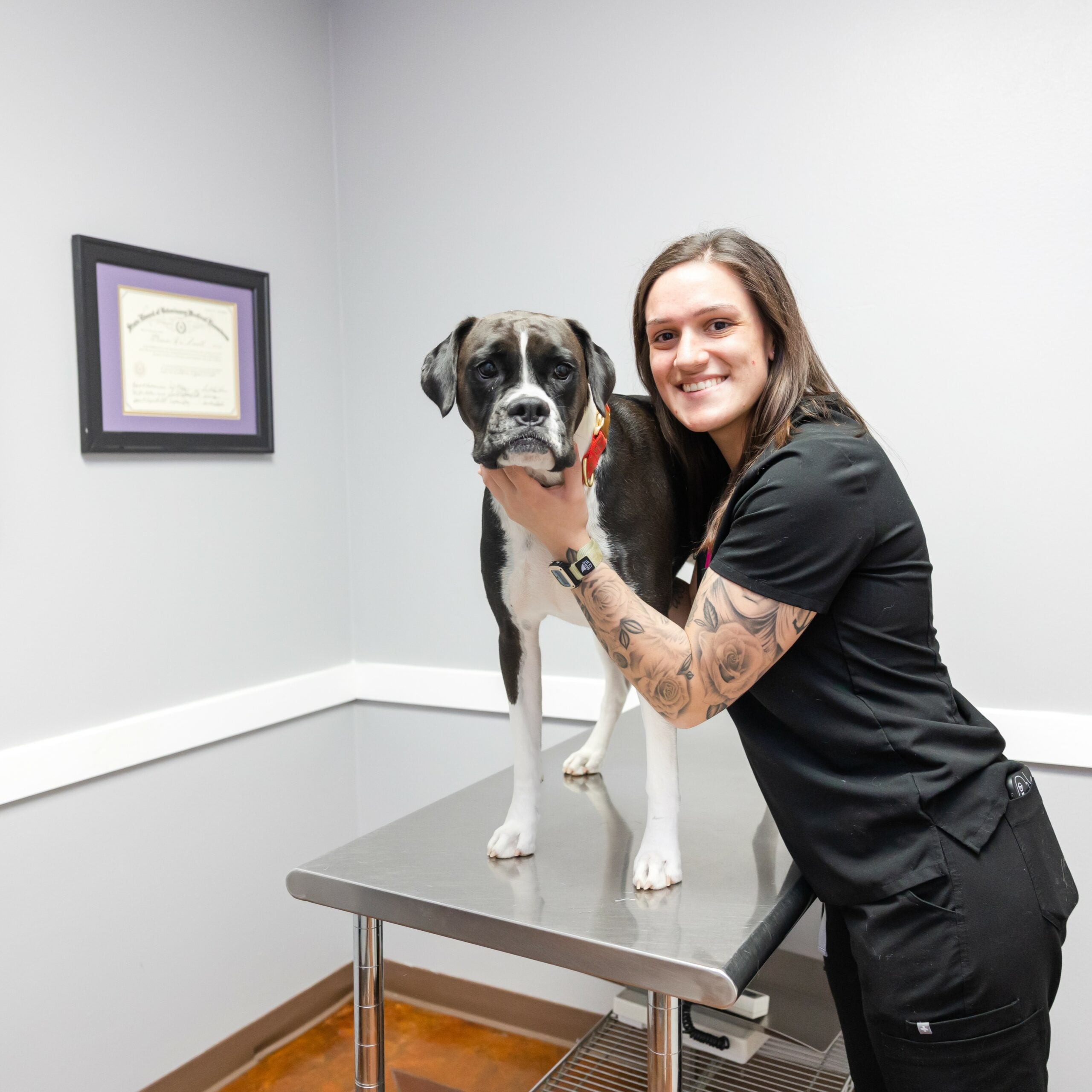
The environment plays a role too. A well-designed clinic space reduces anxiety by providing distinct zones for waiting, exam rooms, and recovery. Cleanliness and organization are not cosmetic; they create predictable experiences that let you know the team is paying attention to safety and care. The equipment you encounter, from stethoscopes to modern portable ultrasound or point-of-care testing devices, is chosen to deliver rapid, accurate results. Rapid results mean fewer follow-up visits and swifter decisions about care plans.
Edge cases and practical nuance
No two wellness visits are identical. A few situations demand extra nuance that a routine script cannot capture. Consider a puppy’s first checkup versus a senior dog’s annual exam. The former emphasizes learning to tolerate the process, with shorter, more frequent visits that gradually build desensitization. It’s common to see shorter visits focused on vaccinations, parasite prevention education, and basic behavior guidance. For a senior, the focus shifts toward chronic disease screening, nutritional optimization, and tailored activity recommendations. For a cat, the exam may look notably different because feline body language reveals stress more readily, and the veterinarian might allocate more time to a quiet, low-stress approach and careful measurement of blood pressure if hypertension is a concern.
There are also practical edge cases. If a pet resists handling, the veterinarian may propose alternative strategies such as a sedated exam for imaging or dental work. The decision hinges on a balanced assessment of risk, stress, and the potential health benefit of obtaining diagnostic information. If a test result is borderline, the team will often suggest repeat testing in a short interval to confirm a trend rather than reacting to a single data point. These decisions are never made in a vacuum; they reflect a diagnostic philosophy that values accuracy and patient welfare.
A holistic view of health that extends beyond the clinic
A wellness visit is not a single event but a cornerstone of a broader health strategy. The veterinarian’s recommendations naturally loop back to daily routines that shape long-term well-being. Diet quality, portion control, and feeding schedules are foundational choices that influence energy, weight, and disease risk. A small adjustment in a cat’s diet can reduce urinary crystal risk, while a dog’s incremental increase in daily exercise can improve cardiovascular fitness and mood. The health picture is a system, not a single photograph.
Professional experience suggests that the most meaningful improvements occur when owners embrace prevention as a practical habit. Regular checkups create a reliable rhythm that makes it easier to detect changes early. For families balancing school, work, and multiple pets, those routines offer predictability and reassurance. The team at Prairieville Animal Hospital often emphasizes that prevention is a shared project. They encourage questions, provide clear instructions, and offer follow-up communications to ensure you feel supported between visits.
What you gain from a well-orchestrated checkup
The tangible benefits of a wellness visit extend beyond the immediate appointment. You leave with:
- A current health baseline that makes it easier to notice deviations in the future
- A clear vaccination plan aligned with your pet’s risk profile and lifestyle
- A practical road map for dental, nutritional, and activity strategies
- A sense of partnership with clinicians who know your pet’s history and routines
- Confidence that you will have access to timely advice if a new concern arises
In practice, that translates to fewer anxious surprises and better-informed decisions when the unexpected occurs. It is not a promise of perfection, but a robust framework for continuing health through the lifespan.

A closing note on communication and trust
The relationship between pet owners and a veterinary team hinges on clear, respectful communication. At Prairieville Animal Hospital, the emphasis is on practical language that translates medical terminology into everyday actions. Expect explanations that connect laboratory results to observable signs at home, rather than abstract numbers that seem distant from daily life. The right questions are invited, and you should feel empowered to voice concerns or preferences about care plans.
In the end, a routine checkup is about time well spent. It is an opportunity to affirm what goes right and to address what could be improved before problems escalate. The experience blends science with a patient, human-centered approach that honors the bond you share with your pet. With a steady cadence, the clinic supports health, comfort, and a sense of quiet confidence for the many days ahead.